Best Cooling Mattress Pad for Hot Sleepers (2026)
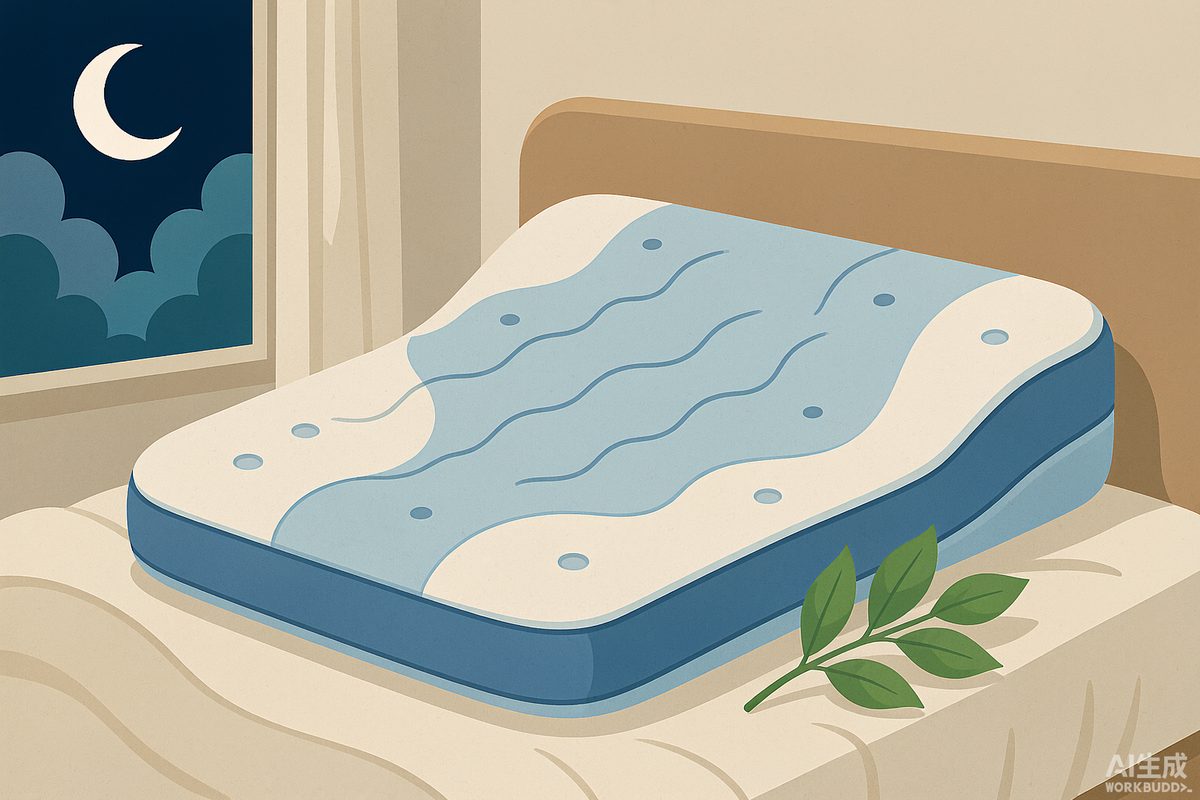
If you wake up sweaty or throw the covers off at 3 a.m., the problem is often the surface you lie on, not the room. A cooling mattress pad is the lowest-cost fix — thinner and cheaper than a topper or a new mattress, and it targets exactly the layer your body heats up. Here is how the types compare and which one fits your kind of heat.
Mattress pad vs topper vs protector
- Pad: under ~2 inches, sits on top, mostly about surface temperature and a little cushion. Cheapest.
- Topper: 2–4 inches, changes how the bed feels (softer or firmer), costs more. Pick this if the mattress is also uncomfortable.
- Protector: thin waterproof layer, barely affects temperature. Not a cooling solution on its own.
If heat is your only complaint, a pad is the right call.
The four cooling types
- Gel-infused memory foam: a step cooler than plain foam, conforms to the body. Modest effect, good if you like the hug of foam.
- Phase-change material (PCM): fibers or a layer that absorb and release heat to hold a steady feel. Noticeably cool to the touch; the "premium passive" option.
- Bamboo / Tencel fiber: naturally breathable and moisture-wicking. Best for sweaty-but-not-roasting sleepers who want a natural feel.
- Water-cooled pad: a pad with tubes that circulate chilled water from a small unit. Actively drops surface temperature several degrees. Best for serious heat, worst for budget and setup.
What to look for
- Fit: deep-pocket skirt (15–18") or corner straps so it stays put.
- Breathability over thickness: a thin breathable pad beats a thick sweaty one.
- Washable cover: you will want to clean it; a removable cover matters.
- Noise: cheap vinyl water pads can crinkle; read owners on this if you are a light sleeper.
Our shortlist (by type)
| Type | Best for | Cooling power | Shop |
|---|---|---|---|
| Gel memory foam pad | Foam lovers on a budget | Low–moderate | Compare on Amazon |
| Phase-change (PCM) pad | Consistent "cool to touch" feel | Moderate–high | Compare on Amazon |
| Bamboo / Tencel pad | Sweaty sleepers, natural feel | Moderate | Compare on Amazon |
| Water-cooled pad | Severe heat, max control | Highest | Compare on Amazon |
| Breathable cotton pad | Mild heat, tight budget | Low | Compare on Amazon |
| 2" cooling topper | Also want more cushion | Moderate | Compare on Amazon |
Who should skip a cooling pad
- If the room itself is 80°F+, fix airflow/AC first — no pad beats a hot room.
- If your mattress is sagging or painful, a topper or replacement solves more than a pad.
- If you are a cold sleeper, you will hate it — this is for people who overheat.
Care that keeps it cool
Wash the cover on cool, skip fabric softener (it coats fibers and traps heat), and air-dry when you can. A clean, breathable surface cools better than a clogged one.
The bottom line: a cooling mattress pad is the cheapest way to fix a hot sleeping surface. Match the type to your heat — bamboo or PCM for most sweaty sleepers, water-cooled if you run seriously hot, gel foam only if you also want the conforming feel. Skip it if the room is the real problem. Pair it with a cooling pillow and a cooling comforter and the whole bed stays manageable.
Frequently Asked Questions
What is the difference between a cooling mattress pad and a topper?
A pad is thin (usually under 2 inches) and sits on top of your mattress, focused on surface temperature and a little cushioning. A topper is thicker (2–4 inches), changes the feel of the bed more, and often costs more. If your only problem is heat, a pad is the cheaper fix; if the mattress is also too firm or saggy, a topper addresses both.
Do cooling mattress pads actually work?
Yes, but they manage heat rather than refrigerate the bed. Breathable and moisture-wicking pads (bamboo, Tencel, phase-change) keep the surface from trapping your body heat. Water-cooled pads actively circulate chilled water and can drop the surface several degrees. They will not fix a room that is 85°F, but they noticeably help in a normal bedroom.
What cooling material works best?
For passive cooling, phase-change material (PCM) and breathable natural fibers (bamboo, Tencel) feel coolest to the touch and wick sweat. For the strongest effect, a water-cooled pad is unmatched but needs power and a higher budget. Gel-infused foam is a step cooler than plain foam but the weakest of the four for real heat.
Will a cooling pad help night sweats?
It helps with the comfort side — wicking moisture and keeping the surface from overheating — but night sweats have medical causes (hormonal, medication, infection). If sweating wakes you most nights, see a clinician. A cooling pad is a comfort layer on top of, not a replacement for, that conversation.
How do I stop a mattress pad from sliding off?
Look for deep-pocket fitted skirts (15–18 inches), corner straps, or a non-slip backing. Wash it less often than sheets (follow the label) and avoid fabric softener, which coats fibers and reduces breathability. A pad with anchored corners stays put far better than a flat one.
Are cooling mattress pads machine washable?
Most fiber and gel-foam pads have a removable, machine-washable cover; the filled core usually is not. Water-cooled pads have a wipe-clean pad and a washable hose system. Always check the label — washing a non-washable core ruins the cooling layer.
Affiliate note: SleepWell Guide may earn a commission if you buy through our links, at no extra cost to you. We picked these by cooling mechanism and fit, not by payout.
Keep reading: build the cool bed set with our best cooling pillow and best cooling comforter, or go one step further with a cooling weighted blanket if you also like pressure. If anxiety — not heat — is what keeps you up, our weighted blanket for anxiety guide covers the pressure side.
Some links on SleepWell Guide are affiliate links. If you buy through them we may earn a commission, at no extra cost to you. We only recommend products we would use ourselves.