Best Mouth Tape for Sensitive Skin (2026)
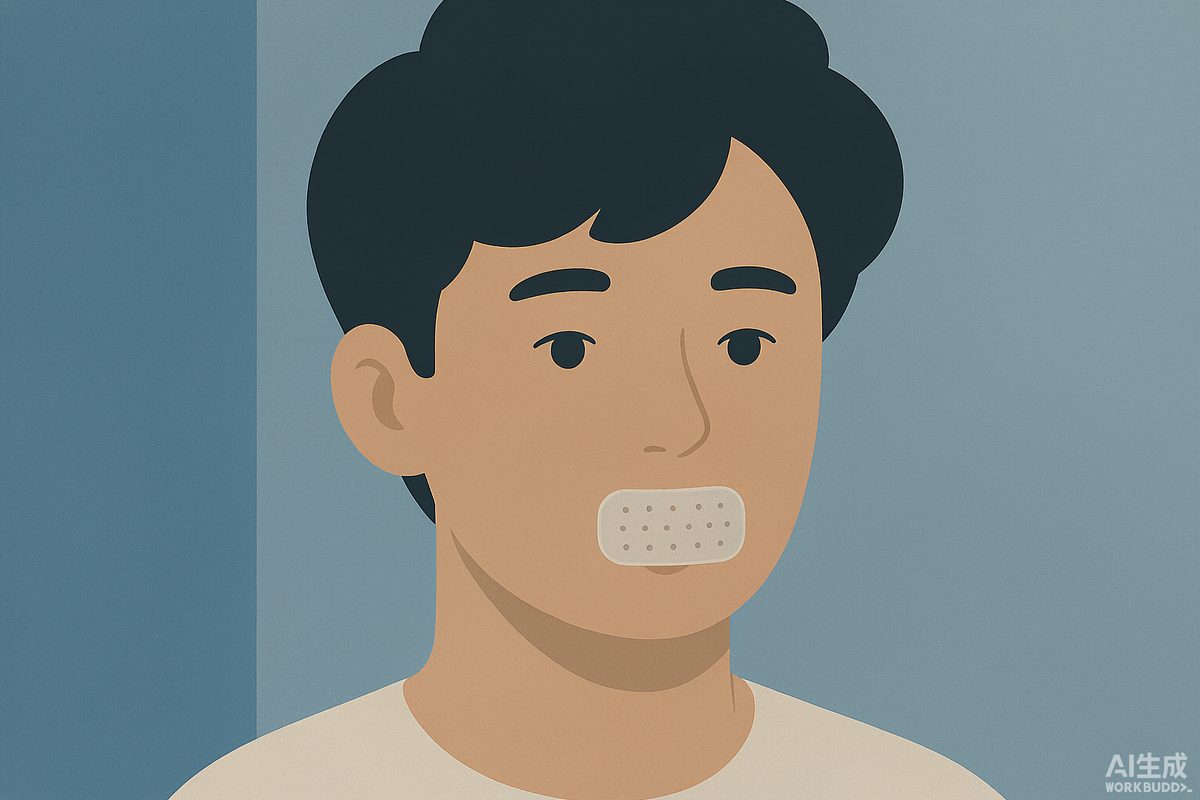
If your skin flushes red at the hint of a bandage, mouth taping sounds risky — but it does not have to be. The irritation almost always comes from the adhesive, not the habit. Pick a hypoallergenic porous or silicone tape, patch-test first, and remove it the gentle way, and most sensitive-skin sleepers do fine. Here is how to choose.
What "sensitive skin" tape actually means
Two things matter: the material and the adhesive. Porous paper or fabric lets skin breathe, so sweat and oil do not pool under the tape. The gentlest adhesives are medical-grade acrylic on paper (3M Micropore) or silicone (Somnifix, and silicone strips in MyoTape). What you want to avoid is strong cloth or acrylic "athletic" tape and anything that feels like it could hold a poster to a wall — that is the stuff that leaves marks.
Our picks for sensitive skin
- 3M Micropore (paper, hypoallergenic). The dermatologist default. Breathable, cheap, and about as gentle as tape gets. Cut your own small strip. Not cute, but it is the safest starting point for reactive skin.
- Somnifix (silicone, vented). A purpose-built lip strip with a center breathing vent and a silicone adhesive that lifts off cleanly. The gentlest of the dedicated mouth tapes, and the one we suggest when paper tape feels too fiddly.
- MyoTape (silicone, lip-centered). Soft silicone "tabs" pull the lips together rather than sealing them — minimal contact area means minimal skin exposure. Good for people who react to larger adhesive patches.
- Kindra / gentle proprietary blends. Several newer brands market low-irritation formulas; check the adhesive type (silicone or hypoallergenic acrylic) rather than the label claim.
For the full comparison across all skin types and the safety-vent check, see our best mouth tape rankings.
Patch-test before you sleep in it
This is the single step that prevents most reactions. During the day, stick a small piece on the back of your hand or just below the jaw for a few hours. Remove it and watch for redness or itching over the next 24 hours. If it is clean, try a first night with a tiny vertical strip while you are still awake for 10–15 minutes. If the daytime test itches at all, that tape is not for you — move to silicone.
Application and removal that protect the skin
- Clean and dry the area first; skip creams or oils right before taping.
- Use the smallest strip that keeps the lips gently closed — a full seal is never required.
- Remove with warm water or a dab of oil (coconut or jojoba) and peel from one corner. Never yank.
- Take a night off if you see lingering redness, and let the skin recover before retrying.
New to taping? Our step-by-step guide covers the technique in detail, and our side effects guide lists every warning sign to stop.
When sensitive skin means skip tape
If you have active eczema, dermatitis, or broken skin around the mouth, do not tape there — full stop, until it clears. Silicone is the safest option when skin is calm. If flares are frequent, a non-adhesive route may suit you better: our mouth tape vs nasal strips comparison covers options that never touch the skin. And remember the hard rules from our safety guide: no taping on a congested nose, and get evaluated if snoring comes with gasping or pauses.
The bottom line
Sensitive skin is not a reason to skip mouth taping — it is a reason to choose carefully. Start with hypoallergenic porous paper (3M Micropore) or silicone (Somnifix, MyoTape), patch-test in daylight, use the smallest strip, and remove with oil or warm water. Most people who reacted to "regular" tape do fine once the adhesive changes. If your skin stays angry, switch to a non-adhesive option and let the skin breathe.
Keep reading: Not sure tape is even your lever? Our snoring guide shows which snorers it helps, and our sleep apnea guide explains when tape is the wrong tool. For the full risk picture, read mouth taping side effects, and for the complete how-to, see how to sleep with mouth taped.