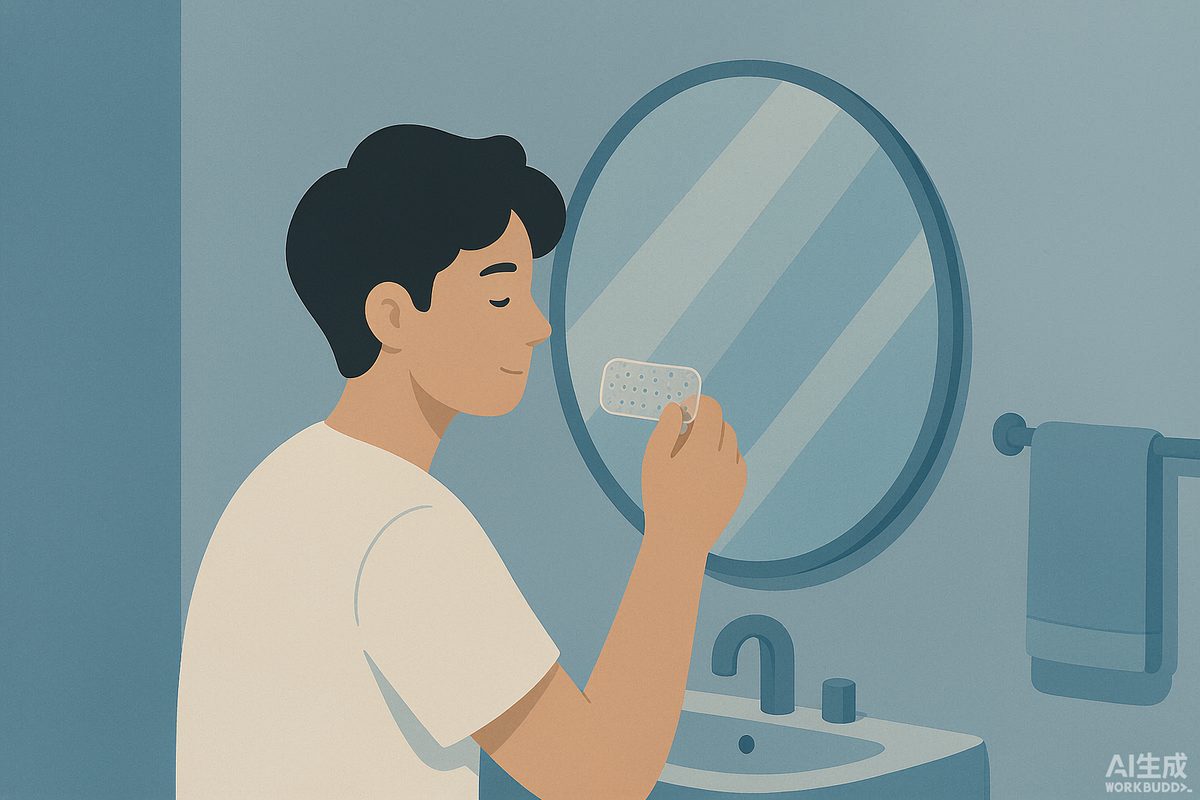
Mouth taping has a vocal fan base and an equally vocal skeptical crowd, and both sides skip the useful middle: most side effects are mild, predictable, and avoidable, while the one serious risk is not really a "side effect" at all — it's using tape when you shouldn't. This guide separates the two. If you have not read the fundamentals yet, start with our complete mouth taping guide and the safety guide before your first night.
The Side Effects People Actually Report
In practice, mouth taping side effects fall into four buckets. The first three are common and benign; the fourth is the one that turns a minor nuisance into a real hazard:
- Skin irritation and redness — where the adhesive sits.
- Dry mouth and chapped lips — by morning.
- Anxiety, claustrophobia, and sleep disruption — usually only the first few nights.
- Worsening when the nose blocks — the dangerous case, covered below.
None of the first three are unique to mouth tape — they show up with any overnight adhesive or any habit that changes how you breathe. The difference is they're manageable, and most people adapt within a week.
1. Skin Irritation and Redness (Most Common)
This is the side effect you'll see mentioned most, and it tracks almost perfectly with tape choice. Strong-adhesive, non-porous, or "fashion" tapes (the kind not made for skin) cause the most trouble; hypoallergenic porous tapes cause the least. The 2025 systematic review noted the studies in its pool used medical-grade strips, which is part of why serious skin injury was not a reported outcome.
How to keep it near zero:
- Use hypoallergenic porous tape — 3M Micropore, Somnifix, or MyoTape — never duct, athletic, or craft tape.
- Apply to clean, dry skin; skip moisturizer right where the tape goes.
- Remove with a little oil or warm water, never a yank.
- Take a night off if redness appears, and rotate the exact placement slightly.
2. Dry Mouth and Chapped Lips
A dry mouth in the morning is common, and it's actually a useful diagnostic signal. If your lips are sealed but you wake parched, it usually means your nose was not fully clear and you were fighting the tape instead of breathing through it. Two fixes:
- Confirm a clean nose first. The 2-minute nose check (breathe only through the nose sitting, walking, lying down) filters out most of this. If you fail it, that night is not a taping night.
- Humidify the bedroom. Dry air alone drives mouth opening; a humidifier addresses the symptom the tape is trying to manage.
Persistent dry mouth despite a clear nose suggests the strip is too sealing or too large — drop to a smaller porous piece. The trade-offs between designs are in our mouth tape comparison.
3. Anxiety, Claustrophobia, and Sleep Disruption
The "I can't breathe" feeling the first night is real for some people, and it's almost always anticipation, not oxygen. The airway is not sealed — a porous strip or a loop tape leaves the mouth able to open with moderate effort. The way to defuse it:
- Daytime trial first. 30-60 minutes awake at home, confirm you feel calm and can pull the strip off instantly.
- Start with a loop tape (MyoTape) that never fully seals the lips — it cues nasal breathing without the "locked" feeling.
- One night, not a week. Judge after the first trial; most anxiety is gone by night three.
If the anxious feeling does not fade after a few trials, or it's tied to a real cannot-get-air sensation, stop — that's the warning-sign territory below, not a habit to push through.
4. Worsening When the Nose Blocks (The Dangerous Case)
This is the one people mean when they ask "is mouth taping dangerous." It is not a side effect of the tape — it's the result of taping when you should not. If the nose obstructs (cold, allergies, deviated septum) while the lips are sealed, the only airway is compromised, and the 2025 review's flagged suffocation risk becomes live. Sleep apnea is the same logic in a different place: the throat collapses regardless of the lips, and sealing the mouth can trap pressure and worsen events.
This is exactly why our snoring guide and safety guide both open with screening yourself out. Tape over a blocked nose or with apnea signs is the mistake to avoid — not a risk to "push through."
Who Is Most Likely to Get Side Effects
Side-effect frequency tracks with a few traits:
- Sensitive or reactive skin — use paper tape and a smaller piece; consider every-other-night.
- Nasal congestion prone — the dry-mouth and dangerous-case risks climb; fix the nose before taping.
- First-time users — most anxiety and sleep-disruption reports are nights one to three.
- Strong-adhesive tape users — by far the biggest contributor to skin irritation.
If you're in the first two groups, the precautions above matter more, not less. If you're in the apnea-warning group, tape is off the table entirely.
The Warning Signs to Stop Immediately
Remove the tape and switch to nasal breathing if you notice any of these:
- Nasal blockage, stuffiness, or a cold coming on.
- Chest tightness, wheezing, or a panicky cannot-breathe feeling.
- A bed partner reports gasping, choking, or paused breathing.
- Morning headaches with daytime sleepiness (possible apnea signal).
The tape should pull off with moderate effort — if it doesn't, that's a sign to use a gentler design next time, not to fight it. If the warning signs are apnea-related, book a sleep study rather than retry.
How to Avoid Each Side Effect (Practical Checklist)
- Nose check first. Close your lips, breathe only through your nose for two minutes sitting, one walking, one lying down. Any air hunger = no taping that night.
- Porous, skin-safe tape only. Small strip, never a full seal. Somnifix · MyoTape · 3M Micropore.
- Daytime trial. 30-60 minutes awake before any night; confirm calm and easy removal.
- Humidify and rotate. A bedroom humidifier cuts dry-mouth; shift placement slightly to spare the skin.
- Respect a stop rule. Unchanged snoring or discomfort after two weeks means the cause is congestion or throat collapse — tape is not your lever.
The full application and removal detail is in our step-by-step walkthrough, and the head-to-head with nasal strips is in our comparison.
Side Effects vs the Bigger Risk
Keep the proportions straight. Skin redness and a dry mouth are the common, fixable side effects. The serious outcome — trouble breathing — comes from a contraindication (blocked nose or apnea), not from the tape itself done correctly. Screening yourself out of those two groups removes essentially all of the danger, and it's the single most important step in the whole practice. Our safety guide lays out the full exclusion list.
The Bottom Line
Mouth taping side effects are mostly mild and avoidable: skin irritation from the wrong tape, a dry mouth from an unclear nose, and first-night anxiety that fades within days. All three are fixed by porous skin-safe tape, a small strip, a bedroom humidifier, and a clean nose. The one serious risk is not a side effect — it's taping over nasal obstruction or sleep apnea, which is avoided by screening yourself out first. Do the nose check, trial in daylight, use the gentlest design, and keep a stop rule you actually respect. Most people who follow those steps never meet a side effect worth mentioning.
Keep reading: not sure tape is even your lever? Our snoring breakdown shows which snorers it helps, and the mouth tape comparison ranks the safest designs by skin sensitivity and vent. Before night one, read is mouth taping safe? for the full contraindication list.
Frequently Asked Questions
What are the most common mouth taping side effects?
The side effects people actually report are mild and local: skin irritation or redness where the tape sits, a dry mouth or chapped lips by morning, and a feeling of anxiety or claustrophobia the first few nights. More serious problems only appear when tape is used over a blocked nose or with undiagnosed sleep apnea — which is a contraindication, not a side effect. The 2025 PLOS One systematic review found the evidence base thin but flagged a suffocation risk specifically when nasal obstruction is present.
Can mouth taping damage your skin?
It can irritate the skin, especially with strong-adhesive or non-porous tape, overnight wear, or sensitive skin. The fixes are straightforward: use hypoallergenic porous tape (3M Micropore, Somnifix, or MyoTape), apply to clean dry skin, remove with oil or warm water rather than yanking, and take a night off if redness appears. True skin damage is rare and almost always from the wrong tape or leaving it on too long.
Does mouth taping cause dry mouth?
It can, if the tape is doing its job while the nose is not pulling its weight — i.e. you're mouth-taped but still partly mouth-breathing through the seal, or the bedroom air is dry. A morning dry mouth is a useful signal: it usually means your nose was not fully clear, so the tape is the wrong lever that night. Humidifying the room and confirming a clean nose (the 2-minute nose check) prevents most of it.
Can mouth taping make sleep apnea worse?
Yes — and this is the line that matters most. Tape does nothing for the throat collapse that defines obstructive sleep apnea, and sealing the lips can trap pressure and worsen events. Loud, gasping, or pausing snoring, morning headaches, and crushing daytime sleepiness are apnea warning signs; anyone with those should not tape and should get a sleep study. This is covered in our safety guide.
How do I avoid mouth taping side effects?
Four habits remove almost all of the risk: (1) pass the nose check first — never tape over congestion; (2) use only porous, skin-safe tape with a small strip, never a full seal; (3) trial in daylight for 30-60 minutes before any night; (4) keep a stop rule and respect it — if snoring or discomfort is unchanged after two weeks, the cause is elsewhere. Full application detail is in our step-by-step guide.
When should I stop mouth taping immediately?
Stop the moment you notice any nasal blockage, chest tightness, a panicky cannot-breathe feeling, wheezing, or if a bed partner reports gasping or paused breathing. Remove the tape (it should pull off with moderate effort), open the mouth, and breathe through the nose. If the warning signs are apnea-related, book a sleep study rather than retrying.